Storytelling and Reminiscence: Using Memories to Build Meaningful Connections for Dementia Residents
18th February 2026
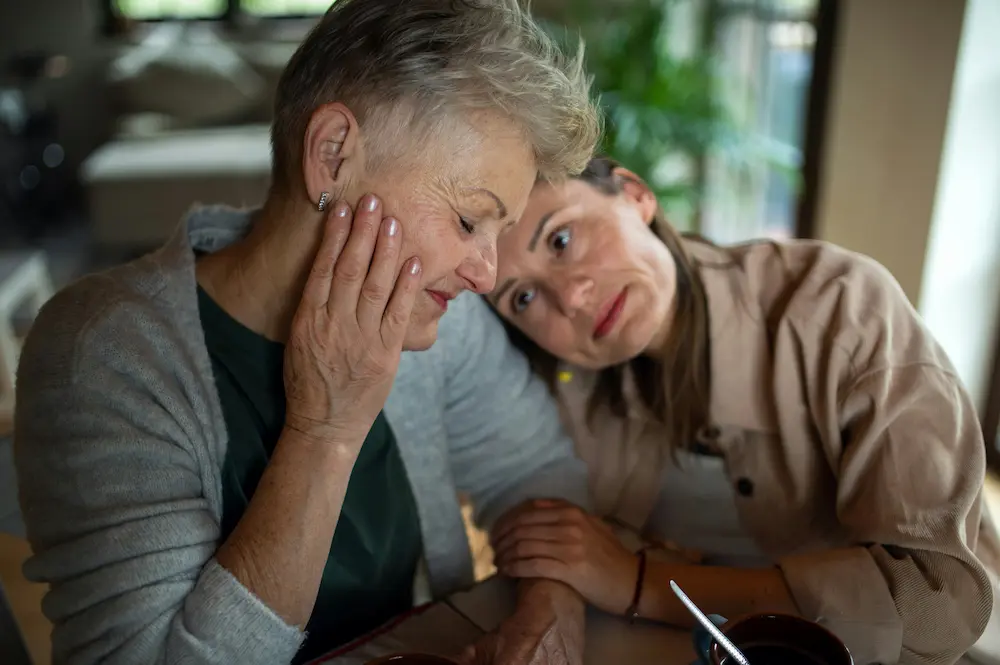
Reminiscence therapy involves discussing past experiences, often using sensory cues like music, photos or other familiar objects, to enhance the mental health and wellbeing in dementia patients.
Storytelling and reminiscence therapy is an important part of specialist dementia care that can help your loved one focus on positive memories which foster a sense of identity, reduce anxiety and strengthen social connections between individuals, carers and family members.
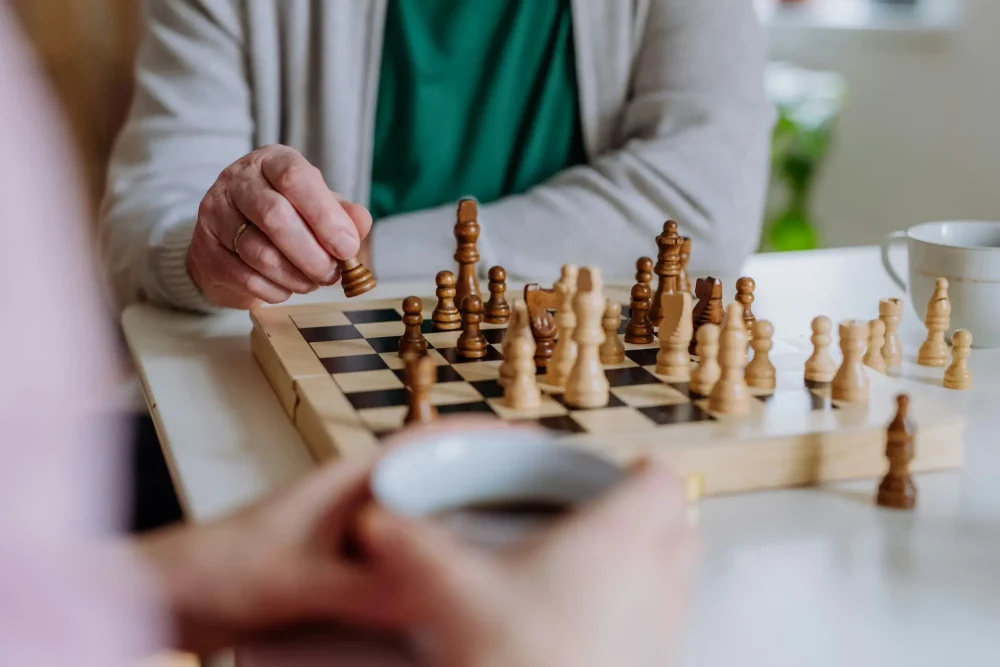
This type of therapy can be used alongside nature-based therapy for dementia care and relaxation therapies to support your loved one’s mental health, wellbeing and cognitive function.
At The Bill House, we understand the value of routine for dementia residents. Introducing storytelling and reminiscence therapy means we can support your loved one by building meaningful connections to previous memories through photos, music, familiar objects and smells.
Reminiscence activities for dementia residents
Implementing a range of reminiscence activities with storytelling can help with increasing quality of life with specialist dementia care. By triggering long-term memories, which are often preserved by those living with dementia, reminiscence and storytelling can help reduce boredom, lower levels of depression and agitation and help your loved one reconnect with their personal history.
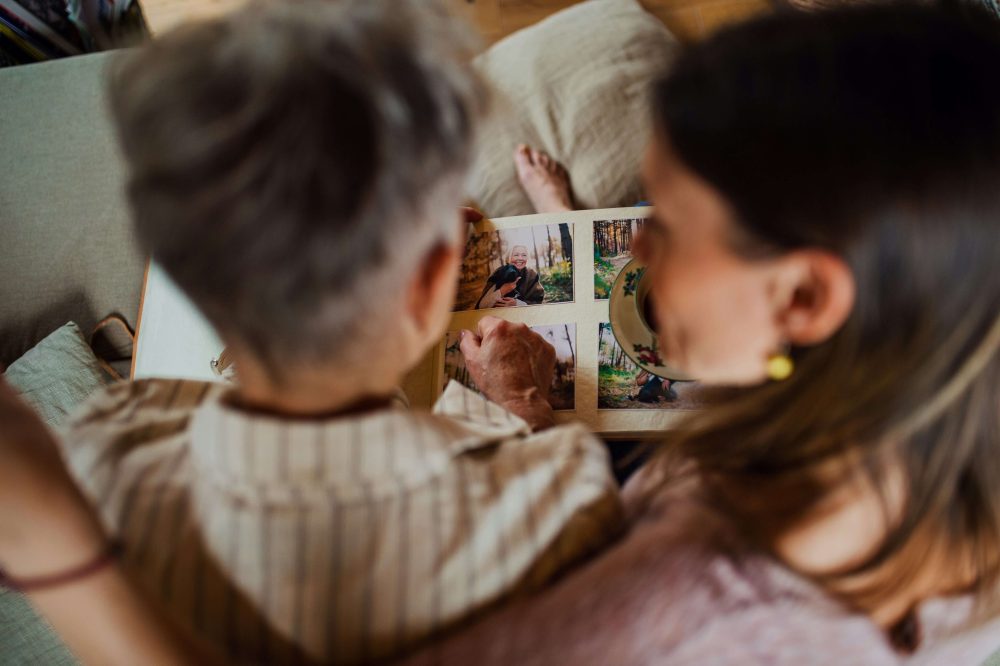
Looking at meaningful old photos, like images of family, home, weddings or holidays, and using open-ended prompts can help trigger memories and produce emotional reactions. Even when details may be blurry, photos often foster feelings and identity since visual cues are powerful memory triggers.
Listening to music from your loved one’s youth or early adulthood encourages emotional response, either prompted through questions or simply through listening, since music memory is often preserved, even when other memories fade.
Including familiar objects relevant to your loved one’s life roles or routines, like tools, fabrics or household items, are placed in their hands to help focus on a sensory experience. Touch can trigger procedural and emotional memory without words, providing a sense of comfort and reducing fear for your loved one.
By gently introducing familiar smells and conversations about family meals or traditions, can help bring vivid, early-life memories and a sense of comfort, since smell is directly linked to emotional memory.
Each of these activities naturally invite storytelling, even if your loved one struggles to tell a complete, start-to-finish story. In reminiscence therapy, storytelling tends to be fragmented, sensory, emotional or non-verbal, but this still counts, since your loved one can share life experiences, identity and meaning through sensory cues.
The benefits of reminiscence therapy
The importance of person-centred care for your loved one living with dementia is reflected in storytelling and reminiscence therapy through tailored engagement, helping to create a care plan for your loved one.
The benefits of reminiscence therapy include:
- Improved mood: by evoking positive memories linked to achievement, love and belonging, reminiscence therapy can reduce feelings of loneliness and depression through shared reflection and provide comfort.
- Enhanced communication: concrete prompts, like photos, music or familiar objects, help to reduce pressure to find words, encouraging both verbal and non-verbal expressions, helping to increase confidence to communicate.
- Maintained cognitive function: stimulating long-term memories helps encourage attention, sequencing and recognition, which maintains existing cognitive abilities and promotes mental engagement.
- Better wellbeing: through strengthening meaning and purpose, supporting emotional expression and promoting emotional safety, reminiscence therapy can help your loved one feel understood, contributing to better wellbeing.
- Strengthened relationships: creating opportunities for shared understanding between your loved one and your family or their carers encourages empathy and connection through shared stories, leading to stronger emotional bonds.
Reminiscence therapy can be implemented into your loved one’s routine, just like other hobbies and activities, to help with supporting your loved one through the later stages of dementia.
How familiar items can support your loved one’s mental health and wellbeing
If your loved one is living with dementia and receiving specialist dementia care in a residential care home, the benefits of personalising your loved one’s space are essential to consider.
Using images from their youth and early adulthood, as well as including familiar objects like blankets, cushions or clothing items, can support the mental health and wellbeing of your loved one by fostering a sense of identity and familiarity.
By creating a community in residential care homes to allow your loved one to interact with their friends and ensuring regular visits from their family members, dementia patients experience better mood, less agitation and overall improved mental wellbeing.
Choosing The Bill House for specialist dementia care
Finding the right care home for your loved ones is an essential step in ensuring they receive specialist dementia care that is tailored to their condition.
At The Bill House, we understand that navigating care with confidence is important as you help your loved one transition to life in a residential care home. Our facilities are designed so that your loved one can receive personalised care to enhance their quality of life during this difficult time.
Contact us to learn more about our facilities and the benefits of residential care, including storytelling and reminiscence therapy, for your loved one living with dementia.