The Benefits of a Dementia Diagnosis
18th May 2026
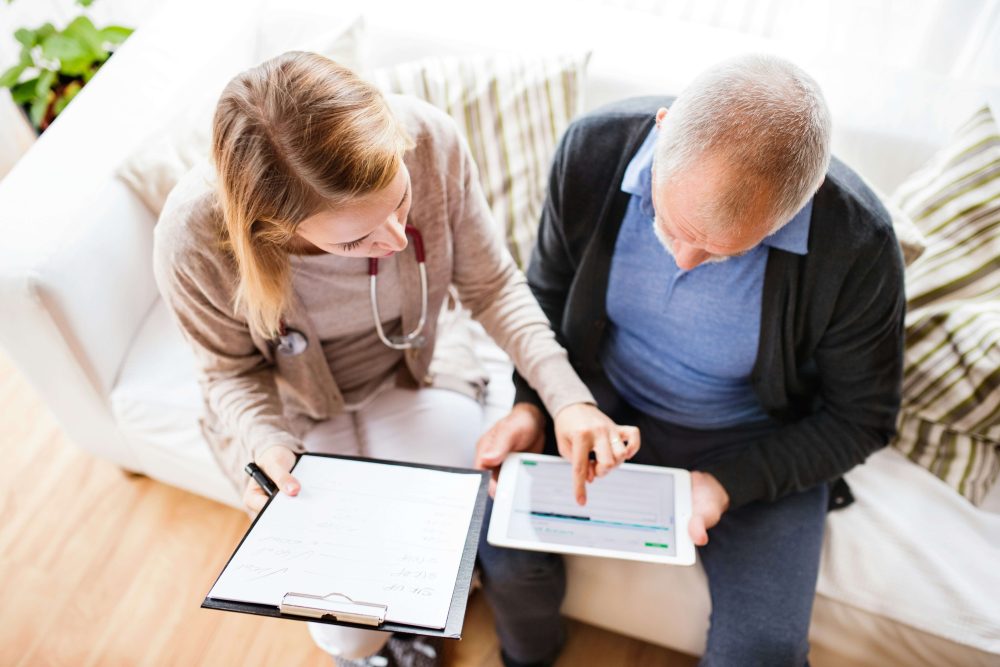
Dementia is a syndrome associated with an ongoing decline of brain function, with two of the most common types of dementia – Alzheimer’s disease and vascular dementia – making up the majority of cases.
Many people associate dementia with memory loss, but it can also affect the way someone speaks, thinks, feels and behaves. Someone living with dementia may lose interest in their usual activities, find social situations difficult and experience hallucinations.
This week marks Dementia Action Week, led by Alzheimer’s Society, which focuses on raising awareness of dementia and taking action to improve the lives of people affected by the condition. According to Alzheimer’s Society, one in three people in the UK living with dementia do not have a diagnosis.
At The Bill House, we provide specialist dementia care in our residential care home, supporting dementia residents and their family in navigating care with confidence during this difficult time.
When to see a GP for a dementia diagnosis
Knowing what to look for when detecting early signs of dementia in your loved ones is important. It can help you realise the need for an official GP diagnosis quicker.
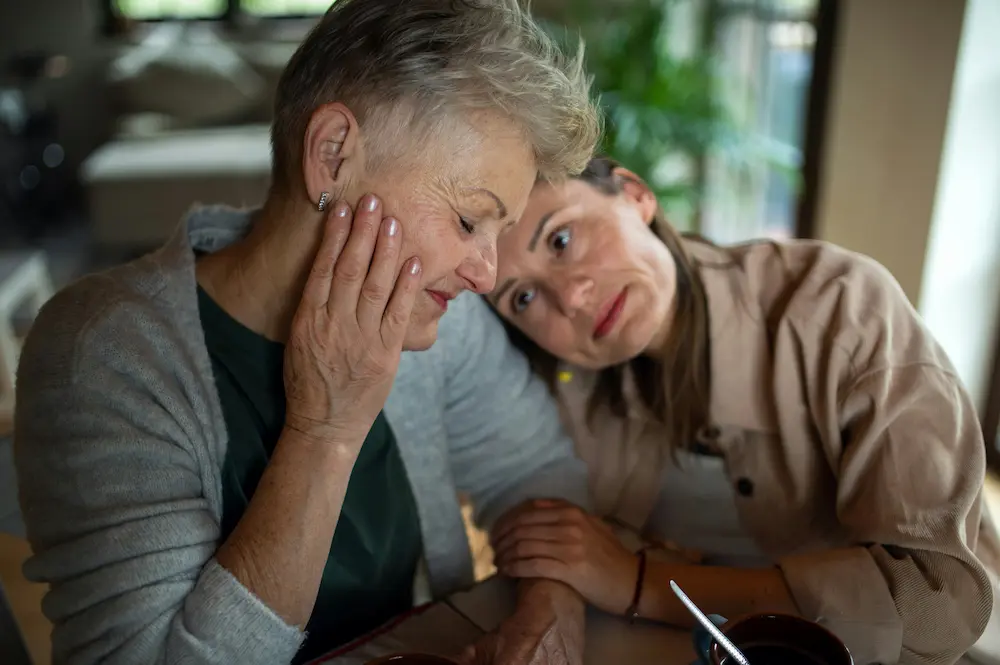
If you begin to notice your loved one experience consistent memory problems, confusion, personality changes, communication issues or physical differences, it might be a good time to speak to a GP. This can help to rule out other causes and secure a timely dementia diagnosis.
A GP will test for dementia by discussing symptoms, taking a detailed medical history and conducting a cognitive assessment. They will often also recommend a referral to a memory specialist for a definitive diagnosis. From here, a diagnosis will help you move forward in supporting your loved one, ensuring you know how to recognise when it’s time for residential care.
The benefits of getting a dementia diagnosis
91% of people affected by dementia say there are benefits to getting a diagnosis, according to a survey by Alzheimer’s Society. Whilst getting a dementia diagnosis can feel overwhelming, it is a crucial step in obtaining the right level of support, understanding and security for dementia residents and their family.
These benefits include:
- Accessing proper support, meaning dementia residents and their loved ones can access specialist medical care, community services, support groups and treatment options. Carers can also receive guidance and respite support.
- Receiving benefits and protection: a formal diagnosis can bring eligibility for financial support, disability benefits, social care assistance and legal safeguards, reducing financial pressure and ensuring rights and wellbeing are supported.
- Explaining the problems your loved one has been having: since dementia symptoms can sometimes be misunderstood as confusion, forgetfulness, mood changes or difficult behaviour, a diagnosis can help explain why these changes are happening, offering a clearer understanding for friends and family.
- Planning ahead for the future: a diagnosis, especially if early, allows dementia residents and their families to make important decisions together while they still can. This could include care preferences, finances, legal arrangements and future support needs.
- Better communication and awareness: understanding that dementia causes someone’s difficulties can improve communication, patience and empathy between family members, carers and professionals.
Getting a diagnosis can also help with supporting better rest for your loved one with dementia and, since the value of routine for dementia residents is so important, implementing a routine that supports their health and wellbeing.
The Bill House provides specialist dementia care
Not only are there many benefits to getting a dementia diagnosis, but there are also benefits of residential care for your loved one living with dementia.
From helping you understand how care homes can support independence for residents to increasing quality of life with specialist dementia care, our team at The Bill House supports residents through the care needs during the different stages of dementia.
Contact us to learn more about what to expect when moving into our care home or to discuss your loved one’s needs.