Hearing Loss and Dementia: Improving Brain Health and Ear Function
8th June 2026
Hearing loss can affect individuals living with dementia since it disrupts how the brain interprets and makes sense of sounds, but it can also be a risk factor, early symptom or both.
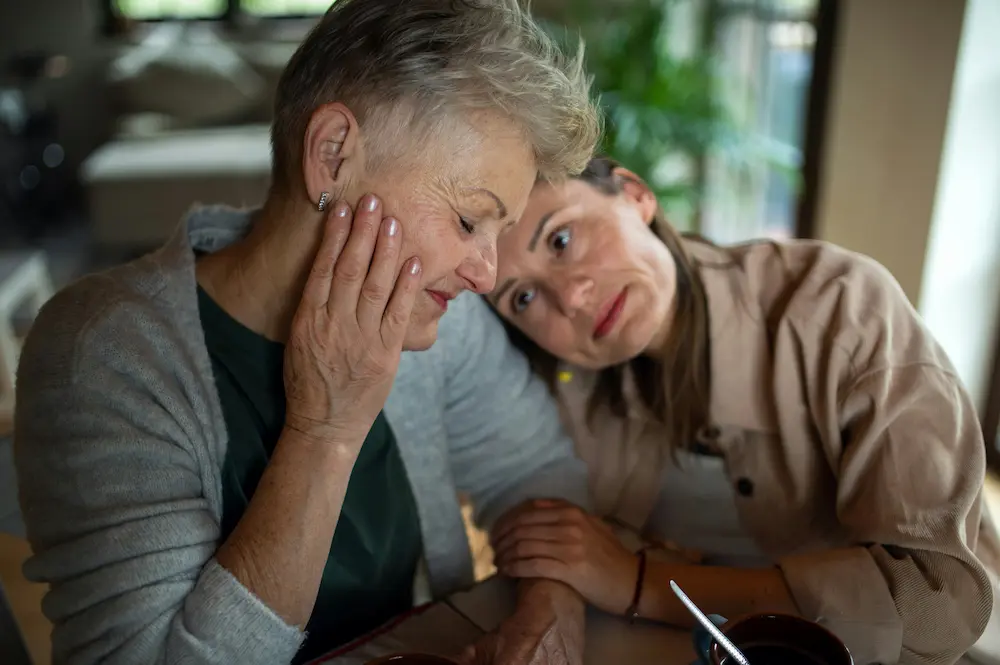
Whilst the ears may function correctly in your loved one living with dementia, for example, by capturing sound waves, the brain may struggle to filter, decode and therefore understand what is being heard. This can be upsetting and confusing for your loved one.
According to Alzheimer’s Society, double the amount of people with mild hearing loss will develop dementia compared to those without it. The risk tripled with moderate hearing loss and was nearly five times as high for those with severe hearing loss.
At The Bill House, we understand the importance of navigating care with confidence during what can be a confusing and difficult time for you and your family. Our residential care home can help with increasing quality of life with specialist dementia care for your loved one.
What is hearing loss?
Hearing loss is a partial or total inability to hear sound in one or both ears, occurring when there is a disruption anywhere in the hearing pathway. This could be a blockage in the outer ear or damage to the auditory nerve.
Age-related hearing loss is the gradual, progressive and often natural decline in hearing which commonly affects older people and typically starts with problems hearing what other people say. As symptoms are gradual, they are often hard to notice, which makes detection and treatment difficult.
There are two types of hearing loss which link to dementia:
- Peripheral hearing loss: this type of hearing loss is where the ears have a reduced ability to detect sounds and is specifically linked to an increased risk of developing dementia.
- Central hearing loss: this involves problems with processing sounds in the brain that are not able to be corrected with hearing aids, which can be a very early symptom of Alzheimer’s disease.
Whilst the link between hearing loss and dementia is not yet fully explained, hearing problems do not mean an individual will develop dementia. It just means their risk is higher.
How hearing loss worsens dementia symptoms
Dealing with dementia symptoms can already be extremely difficult for your loved one, and hearing loss often makes dementia symptoms worse by accelerating brain atrophy and overloading cognitive reserves.
The impact of hearing loss can negatively affect dementia symptoms by:
- Increasing social isolation: hearing loss can make conversations difficult to follow, causing residents to withdraw from social interactions and activities, contributing to loneliness.
- Raising anxiety and confusion: when dementia residents struggle to hear or understand what is being said, they may feel anxious, frustrated or confused about their surrounds, making communication and care more challenging.
- Accelerating cognitive decline: reduced auditory stimulation means extra effort is required to process sounds, placing additional strain on cognitive resources already affected by dementia.
Improving brain health and ear function
Improving brain health and ear function in dementia residents is essential. It helps to preserve means of communication and reduces social isolation, whilst allowing care homes to support independence for residents.
Wearing hearing aids
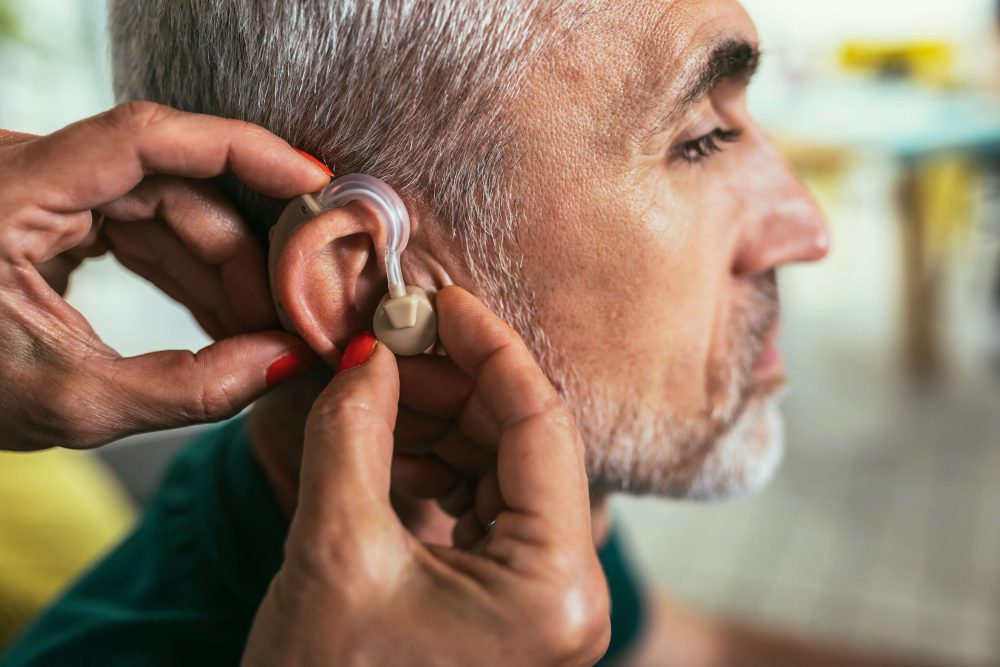
Hearing aids improve access to speech and environmental sounds, helping dementia residents remain connected with the people and activities around them, which is especially important when creating a community in residential care homes. Reducing the effort required to hear and understand conversations supports cognitive function and encourages greater social engagement.
Some evidence suggests that wearing hearing aids may help protect the brain in later life.
Implementing communication strategies
The importance of person-centred care allows simple yet personalised communication strategies, like reducing background noise, speaking clearly and using visual cues, make conversations easier. This helps reduce confusion, minimise frustration and support more meaningful interactions for dementia residents.
Enhancing quality of life
One of the benefits of residential care is personalised care enhances quality of life for your loved one. By supporting hearing health, dementia residents remain active, engaged and involved in daily life which contributes to better emotional wellbeing and greater confidence.
The Bill House provides specialist dementia care
Looking after your loved one’s hearing is essential to support them through their dementia diagnosis, no matter if hearing loss began as an early symptom or is a result of dementia.
At The Bill House, we offer specialist dementia care from our residential care home to support you and your loved one through this difficult time.
Whether you’d like to learn more about how we handle care needs during the different stages of dementia or what to expect when moving into our care home, we are here to help. Contact us to discuss your loved one’s needs.