Dealing With Communication Difficulties in Dementia Residents
16th October 2026
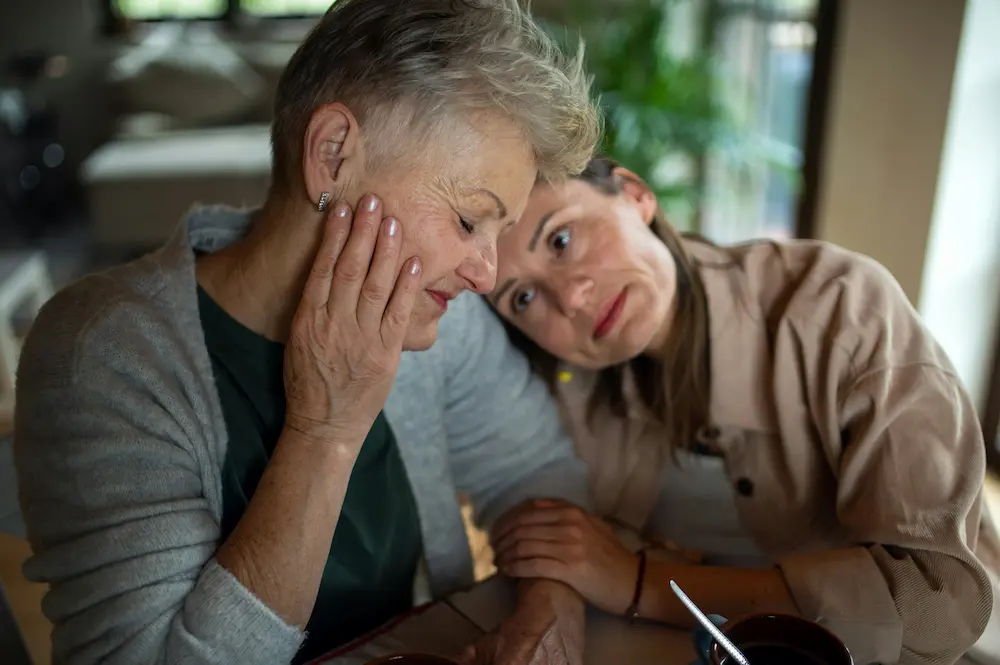
Communication difficulties in people living with dementia result from brain changes that affect language processing, memory and concentration.
Communication challenges vary depending on stage and the different types of dementia your loved one is living with, such as Alzheimer’s or frontotemporal dementia.
Memory and concentration problems are usually the most noticeable changes in the early stages, but communication difficulties can begin then too. Problems with word-finding and verbal expression often become more prominent as dementia progresses into the middle stages.
Care needs during the different stages of dementia vary in terms of communication, but in the later stages, holding a spoken conversation usually becomes very difficult.
Specialist dementia care, especially during the later stages, can be crucial in supporting your loved one. At The Bill House, a residential care home, our staff are dedicated to increasing quality of life with specialist dementia care.
We understand how difficult it can be to watch your loved one decline as dementia progresses, especially as their communication fades. Person-centred care can help your loved one maintain their dignity for as long as possible and ensure you can communicate with them throughout each stage of their condition.
Why communicating with dementia residents is important
Maintaining effective communication with your loved one living with dementia, even as their condition progresses, is essential. Even though their language and cognitive abilities may change, their need to express thoughts, emotions and physical needs never disappears.
Typical signs that your loved one is beginning to struggle with communication can include experiencing word-finding issues, trouble following conversations, comprehension difficulties and repetition of questions.
From using speech and language therapy to storytelling and reminiscence, effective communication with your loved one living with dementia can:
- Preserve their identity
- Maintain important relationships
- Reduce any anxiety or feelings of withdrawal
- Meet daily physical and emotional needs
Supporting your loved one through the later stages of dementia, especially with communication, is essential.
Dementia residents losing their ability to communicate can be stressful for them and difficult for their family, especially as they become less able to tell you about pain, hunger, thirst or discomfort before it escalates. Implementing strategies to ensure effective communication can reduce any distress and unmet needs, maintain human connection and preserve dignity and emotional wellbeing.
How to communicate with dementia residents
As dementia progresses, your loved one can still communicate without words. They use behaviour, facial expressions, sounds and gestures to communicate their thoughts and feelings.
There are several methods of verbal and non-verbal communication you can use to communicate with your loved one. It’s important to approach your loved one calmly by getting their attention first and using their name before communicating with them in any way. Removing distractions, like turning off the TV or radio, can also be beneficial.
Verbal
Effective verbal communication with dementia residents requires clear, simple language and a calm, supportive approach. This includes:
- Speaking clearly and calmly: by using a calm, reassuring tone and speaking at a steady pace, you can help your loved one understand what is being said without feeling overwhelmed.
- Using short sentences: keeping sentences simple and focusing on one idea at a time can make information easier to process and follow.
- Avoiding open-ended questions: simple, specific questions that offer a limited choice — for example, whether they would like tea or coffee — are easier than a question that requires them to think of an answer from scratch.
- Planning short and regular conversations: by keeping conversations brief and revisiting them regularly throughout the day, you can help your loved one feel connected, supported and less pressured to maintain a lengthy discussion.
Non-verbal communication
Non-verbal communication is vital when words become difficult or fade for your loved one, with feelings and body language remaining strong ways to connect. You should:
- Use physical contact: gentle touches, like holding your loved one’s hand, can offer reassurance and comfort, as long as they welcome it and feel at ease.
- Respect personal space: giving your loved one enough space to feel comfortable is important, and you should always approach them from the front so they can see you coming, meaning they are less likely to feel startled.
- Use facial expressions and body language: it’s important to maintain a relaxed position, make gentle eye contact where appropriate and use warm facial expressions to convey reassurance.
- Use visual prompts: photographs, familiar objects, pictures and gestures can help dementia residents understand information, recognise familiar people and communicate their needs when finding the right words is challenging.
When communicating with your loved one, always remember to focus on their feelings and avoid testing their memory or arguing facts.
At The Bill House, we focus on fostering friendships and social connections between our residents which can also help your loved one’s communication and interaction with others.
Choose The Bill House, a residential care home for your loved one
Supporting your loved one as their communication declines can be daunting. Seeing their ability to talk, and later to use gestures and expressions, fade can be upsetting for your family.
At The Bill House, we’re here to help you navigate care with confidence and ensure your loved one receives the specialist dementia care they need.
Contact us to find out more about what to expect when moving into our care home and to see how we can support your loved one.